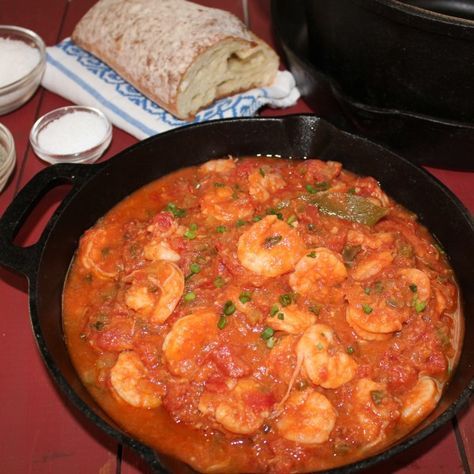
Few dishes evoke the vibrant spirit and rich culinary heritage of Louisiana quite like a classic shrimp creole recipe. This iconic dish, a harmonious blend of flavors and cultures, stands as a testament to New Orleans' unparalleled gastronomic legacy. Imagine the vibrant aroma of simmering tomatoes and spices, the gentle heat of Tabasco, and the tender bite of perfectly cooked shrimp—all served over a bed of fluffy white rice. Among the many celebrated chefs who have shaped and popularized this cuisine, Emeril Lagasse holds a special place. His rendition of shrimp creole recipe, honed over decades and steeped in tradition, remains a benchmark for authenticity and flavor. More than just a meal, it's a journey into the heart of Creole cooking, a dance of spices, tomatoes, and plump shrimp that continues to captivate palates worldwide.
Emeril Lagasse: A Culinary Icon's Enduring Legacy
Emeril Lagasse, a name synonymous with robust flavors and enthusiastic cooking, first shared his now-legendary shrimp creole recipe over four decades ago, during a 1984 visit to the Food & Wine Test Kitchen. At the time, Lagasse was making waves as the executive chef at the venerable Commander's Palace in New Orleans. It was here, within the hallowed walls of one of America's most celebrated restaurants, that he truly immersed himself in and mastered the art of "haute Creole" cooking. His approach blended traditional Louisiana flavors with refined techniques, elevating regional dishes to new culinary heights and making them accessible to a broader audience.
What makes Emeril's shrimp creole recipe so enduring? It's the impeccable balance and depth of flavor achieved through meticulous layering. The dish starts with the cornerstone of Louisiana cooking: the "holy trinity" of aromatics—onion, celery, and green bell pepper. These humble yet essential vegetables are carefully sautéed in butter with garlic until tender and fragrant, forming the aromatic foundation upon which the rich, spicy tomato-based sauce is built. This dedication to developing a profound flavor base is a hallmark of Emeril's style and a key to the timeless appeal of his Creole creations, ensuring that every spoonful hits the spot, even after more than 40 years.
The Soul of Creole: Unpacking a Unique Cuisine
To truly appreciate an authentic shrimp creole recipe, it's essential to understand the distinct culinary identity of Creole cuisine. Often intertwined yet fundamentally different from its Cajun cousin, Creole cooking tells a vibrant story of colonial Louisiana, particularly New Orleans, as a dynamic melting pot. Imagine a fusion where the indigenous ingredients and techniques mingled with the sophisticated influences of French and Spanish colonists, the soulful contributions of enslaved Africans, and the exotic spices brought by various traders from around the globe. This rich tapestry of cultural exchange gave birth to a cuisine that is both refined and hearty, often characterized by its use of rich stocks, diverse spices, and a wide array of ingredients, many of which were originally imported.
A commonly cited distinction between Creole and Cajun cooking revolves around the use of tomatoes. While Cajun cuisine, rooted in the bayous and prairies by French Acadians, often embraces a roux-based, tomato-free approach, Creole dishes frequently incorporate tomatoes. This addition imparts a vibrant acidity and sweetness that defines many of its signature preparations, including Gumbo, Étouffée, and of course, Shrimp Creole. Emeril’s shrimp creole recipe, with its prominent tomato-based sauce, unequivocally showcases its deep-seated Creole heritage, offering a taste of New Orleans' complex and captivating past.
For a deeper dive into these fascinating culinary traditions and their differences, explore our companion article: Creole vs. Cajun: Unpacking Authentic Shrimp Creole Secrets.
Crafting Your Own Emeril-Inspired Shrimp Creole
Recreating Emeril Lagasse's classic shrimp creole recipe at home is a rewarding experience that brings the flavors of New Orleans directly to your kitchen. While the dish might seem complex, the process is straightforward, focusing on building layers of flavor. Here’s how you can embark on this culinary adventure:
- The Foundation: The Holy Trinity. Start by finely dicing your onions, celery, and green bell peppers. In a heavy-bottomed pot or Dutch oven, melt a generous amount of butter. Sauté these vegetables along with minced garlic until they are tender, translucent, and release their fragrant aromas. This step is crucial for developing the base flavor of your sauce.
- Building the Sauce. Introduce your tomatoes next. Whether using diced, crushed, or pureed tomatoes, their quality will significantly impact the final dish. Add a splash of broth or water to create a luscious consistency, then comes the magic of seasoning.
- The Spice Profile: Creole Seasoning & Hot Sauce. A good Creole seasoning blend is paramount. While you can buy pre-made blends, crafting your own allows for customization to your palate. Emeril's original recipe implies a generous use of spices, and often you’ll make more seasoning than you need for one dish. Tip: Store any leftover Creole seasoning in an airtight container; it's fantastic for seasoning fish, chicken, or vegetables. For that authentic kick, a dash of Tabasco sauce is essential. Did you know that Tabasco, a staple in Southern kitchens, was first created in 1868 on Avery Island, Louisiana? It’s a true testament to the state’s spicy legacy.
- The Star: Shrimp. Once your sauce has simmered and the flavors have melded beautifully, it's time for the shrimp. Use fresh, plump shrimp, peeled and deveined. Add them to the simmering sauce and cook just until they turn pink and opaque, typically only a few minutes. Overcooking will make the shrimp tough, so timing is key to maintaining their succulent texture.
Serving this magnificent dish over fluffy white rice is traditional, allowing the rice to soak up every drop of that rich, spicy sauce. A side of crusty French bread for dipping is also highly recommended to savor every last bit. For those looking for a quicker take on this incredible flavor, our article on Easy 30-Minute Shrimp Creole: Weeknight New Orleans Flavor can provide inspiration for making this Southern favorite accessible for any day of the week.
Beyond the Recipe: Tips for Mastering Your Shrimp Creole
- Quality Ingredients Matter: Fresh, high-quality shrimp will make a noticeable difference in the overall flavor and texture of your dish. If fresh isn't available, properly thawed frozen shrimp are a perfectly acceptable alternative.
- Taste and Adjust: Creole cooking is all about balance. Taste your sauce as it simmers and don't hesitate to adjust seasonings—salt, pepper, Creole seasoning, and hot sauce—to your personal preference. A pinch of sugar can often help balance the acidity of the tomatoes if needed.
- Patience with the Trinity: Do not rush the sautéing of the "holy trinity." Allowing them to slowly soften and caramelize slightly will develop deeper, sweeter, and more complex flavors in your sauce, which is foundational to the dish.
- Homemade Stock: If you have the time, using a homemade shrimp or vegetable stock instead of water or store-bought broth can significantly enhance the depth and richness of your Creole sauce.
- Make Ahead Potential: The Creole sauce (without the shrimp) can be made a day in advance and refrigerated. The flavors will often deepen overnight, making it even more delicious. Reheat gently and add the shrimp just before serving.
The Broader Southern Table: Influences and Inspiration
While Emeril's shrimp creole recipe is a beacon of New Orleans cuisine, its spirit resonates across the broader Southern culinary landscape. Lana's Cooking mentions how her own recipe, refined over years, was originally inspired by the masterful Craig Claiborne. Claiborne, a celebrated food writer for The New York Times and a Mississippi native, penned the classic cookbook Southern Cooking. This treasury compiled essential Southern dishes like fried catfish, fried chicken, field peas, and cornbread, offering a comprehensive look at the region's diverse culinary traditions.
Claiborne’s work, much like Emeril’s, highlights the deep-seated pride and rich history embedded in Southern foodways. The inclusion of Tabasco sauce, a Louisiana original, further cements the geographical and cultural ties that make this shrimp creole recipe so authentically Southern. It's a reminder that every dish, especially one with such a storied past, carries with it the flavors, stories, and innovations of countless cooks and cultures who have contributed to the region's vibrant culinary identity.
Emeril Lagasse's Classic Shrimp Creole is more than just a recipe; it's an edible piece of Louisiana's heritage. From the aromatic beginning of the "holy trinity" to the vibrant, spicy tomato sauce and the succulent shrimp, every element sings with the unmistakable flavors of New Orleans. It embodies the city's complex history, its unique cultural fusion, and its unwavering passion for food. Whether you're a seasoned chef or a home cook eager to explore new tastes, preparing this iconic shrimp creole recipe offers a delicious and deeply satisfying connection to a truly legendary culinary tradition. So, gather your ingredients, turn up the jazz, and let the spirit of Emeril and Louisiana inspire your next meal. BAM!
