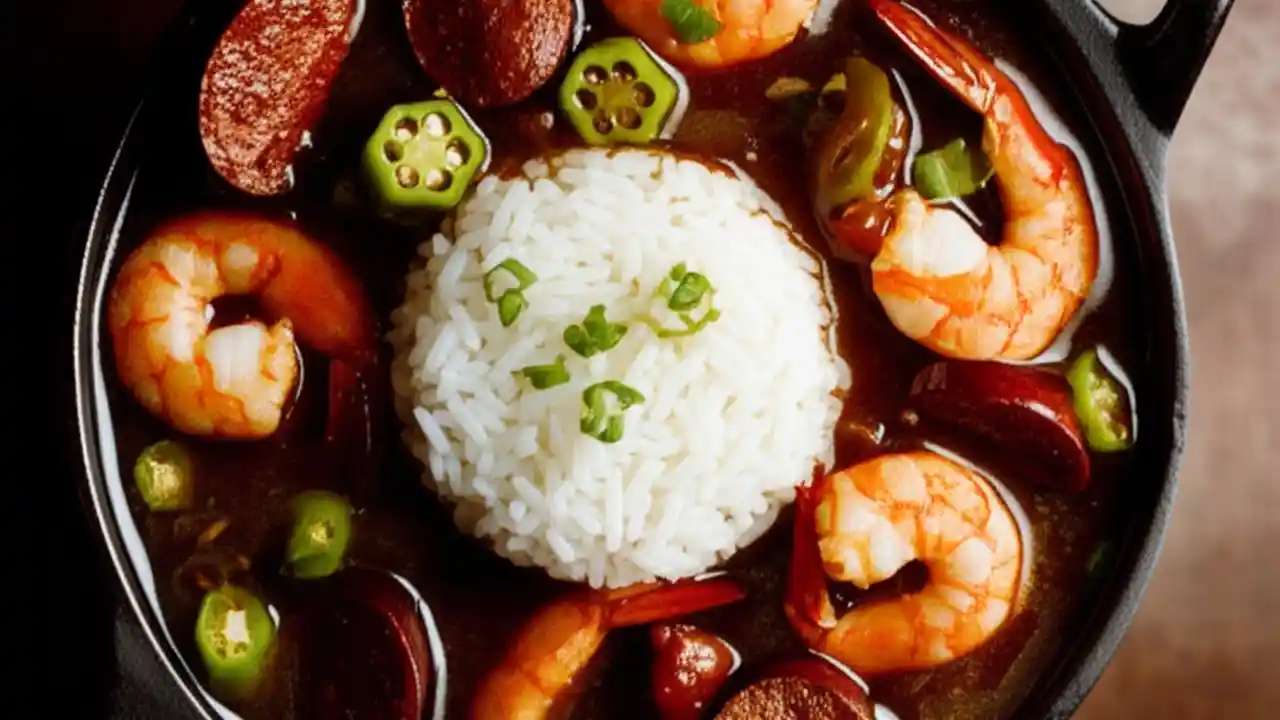
Creole vs. Cajun: Unpacking Authentic Shrimp Creole Secrets
Louisiana's culinary landscape is a vibrant tapestry woven with rich history, diverse cultures, and an unparalleled passion for flavor. At the heart of this gastronomic wonderland lies a delicious dichotomy: Creole and Cajun cuisine. While often used interchangeably, these two distinct cooking styles tell vastly different stories, and nowhere is this more evident than in the iconic
shrimp creole recipe. Forget the bland imitations; we’re diving deep into what makes an authentic Shrimp Creole truly sing, distinguishing its urban elegance from its bayou brethren.
The Heart of Creole: Unpacking the Flavors of an Authentic Shrimp Creole Recipe
An authentic
shrimp creole recipe is a masterclass in building layers of robust flavor, culminating in a dish that is both comforting and exhilarating. The foundation, as with many Louisiana classics, begins with the "holy trinity" – diced onion, celery, and green bell pepper. Sautéed diligently in butter with aromatic garlic until tender, these vegetables lay the groundwork for a sauce that will embrace succulent shrimp.
What unequivocally defines Shrimp Creole, and indeed much of Creole cuisine, is its vibrant, spicy, tomato-based sauce. This isn't just a touch of tomato; it's a significant, foundational element that creates a rich, often slightly sweet and tangy backdrop for the spices and seafood. The origins of Creole cooking are rooted in colonial New Orleans, a bustling port city where the culinary traditions of French, Spanish, African, Indigenous, and various immigrant groups converged. This "melting pot" environment meant an openness to global ingredients, including the then-exotic tomato, which became a staple.
Celebrated chefs like Emeril Lagasse, who honed his "haute Creole" expertise at the legendary Commander's Palace, championed this style, creating recipes that have stood the test of time. His approach, exemplified in his classic
Emeril Lagasse's Classic Shrimp Creole: A Louisiana Legacy, builds on this traditional trinity, ensuring a depth of flavor that still "hits the spot" decades later. The careful balance of spices, often including cayenne pepper, paprika, and a touch of dried herbs, creates a warmth that perfectly complements the plump shrimp. A well-made Creole seasoning blend, often prepared in a larger batch and saved, can elevate not just your shrimp creole but almost any seafood dish.
Creole vs. Cajun: A Culinary Line in the Sand
Understanding the difference between Creole and Cajun cuisine is crucial to appreciating the specific identity of a
shrimp creole recipe. While both are quintessential Louisiana, their histories and geographical roots shaped vastly different culinary philosophies.
* **Creole Cuisine:** This is the cuisine of New Orleans, an urban, sophisticated style born from the confluence of cultures in a port city.
* **Origin:** Colonial Louisiana, primarily New Orleans.
* **Influences:** French, Spanish, African, Indigenous, Italian, German, Caribbean – a true "melting pot."
* **Ingredients:** Often uses more refined ingredients, cream, butter, rich stocks, and critically, **tomatoes**. Global spices and herbs are common.
* **Style:** Tends to be more refined, complex, and often seen as "city food." Think classic Gumbo, Étouffée, or, of course, Shrimp Creole.
* **Roux:** While Creole cuisine uses roux, it’s not always the dark, smoky roux that defines many Cajun dishes; sometimes it's lighter or less central.
* **Cajun Cuisine:** This is the country cooking of the Acadians, French Canadians who settled in Louisiana's bayous and prairies after being expelled from Nova Scotia (Acadia).
* **Origin:** Rural Louisiana, particularly the Acadiana region (southwest Louisiana).
* **Influences:** French, combined with Native American resourcefulness and local ingredients.
* **Ingredients:** Relies heavily on what was locally available in the swamps and prairies – game, freshwater fish, crawfish, and ingredients that could be grown or hunted. Crucially, **Cajun dishes traditionally do not use tomatoes** (or use them very sparingly).
* **Style:** Heartier, rustic, often spicier, and often seen as "country food." Dishes like Boudin, Cochon de Lait, and a dark-roux Gumbo are staples.
* **Roux:** A dark, flavorful roux is a defining characteristic and foundational element of many Cajun dishes, adding depth and thickening.
The use of tomatoes is perhaps the most easily recognizable distinction for a home cook. When you taste the bright, tangy notes in your
shrimp creole recipe, you are experiencing the undeniable Creole lineage. This dish, with its rich sauce and blend of spices, perfectly encapsulates the diverse heritage and sophisticated palate of New Orleans.
Crafting Your Own Classic: Tips for the Perfect Shrimp Creole Recipe
Creating a stellar
shrimp creole recipe at home is surprisingly accessible, and with a few key tips, you can capture the spirit of New Orleans in your own kitchen.
1. **Start with Quality Shrimp:** Opt for fresh or good quality frozen shrimp, peeled and deveined. Medium to large shrimp (31-40 count or larger) work best, as they stand up well to the sauce without getting lost. Avoid overcooking; shrimp cooks very quickly, so add it in the final minutes until just pink and opaque.
2. **Build Your Trinity Foundation:** Don't rush the sautéing of your onion, celery, and bell pepper. This step is crucial for developing the deep, sweet base flavors. Cook them slowly in butter until they are genuinely tender and slightly translucent.
3. **The Tomato is Key:** Use high-quality canned crushed tomatoes or diced tomatoes, along with some tomato paste for concentrated flavor. A dash of Worcestershire sauce or a splash of chicken or seafood stock can enhance the richness without overpowering the tomato.
4. **Spice it Right:** Creole seasoning is a blend of paprika, cayenne pepper, garlic powder, onion powder, dried oregano, and thyme. While you can buy pre-made blends, making your own allows for customization. Remember to make a larger batch and save it in an airtight container for future use – it's fantastic on grilled fish, chicken, or even roasted vegetables.
5. **Heat it Up (or Down):** Tabasco sauce, another Louisiana invention (first created on Avery Island in 1868!), is the traditional hot sauce for a reason. Add it to taste, a few dashes at a time, to achieve your desired level of heat. You can also use other hot sauces, but Tabasco offers that classic vinegary kick.
6. **Simmer for Flavor:** Once all ingredients are in the pot, let the sauce simmer gently for at least 15-20 minutes (or longer if time permits) to allow the flavors to meld beautifully. This step is vital for a truly cohesive dish.
7. **Speedy Weeknight Version:** Don't have all day? You can still achieve incredible flavor! Many recipes, inspired by the likes of Lana’s Cooking, can be tweaked for an
Easy 30-Minute Shrimp Creole: Weeknight New Orleans Flavor, by using pre-chopped vegetables or quick-cooking methods. The key is still focusing on the fresh shrimp and the robust tomato-based sauce.
8. **Serve with Rice:** The traditional accompaniment for Shrimp Creole is fluffy white rice, which soaks up the glorious sauce perfectly. Don't forget a side of crusty French bread for mopping up every last drop!
Ultimately, a good
shrimp creole recipe is about balance—between the sweetness of the trinity, the tang of the tomatoes, the heat of the spices, and the delicate flavor of the shrimp. It's a dish that invites personalization, whether you're following a master's guide like Craig Claiborne's "Southern Cooking" or tweaking a family recipe.
In conclusion, understanding the distinction between Creole and Cajun cuisine deepens the appreciation for authentic dishes like Shrimp Creole. Its vibrant tomato-based sauce, layered flavors built upon the holy trinity, and rich historical roots firmly plant it in the sophisticated culinary tradition of New Orleans. Trying your hand at an authentic
shrimp creole recipe isn't just cooking; it's an immersive journey into the heart of Louisiana's unforgettable gastronomy, promising a delicious and rewarding experience every time.