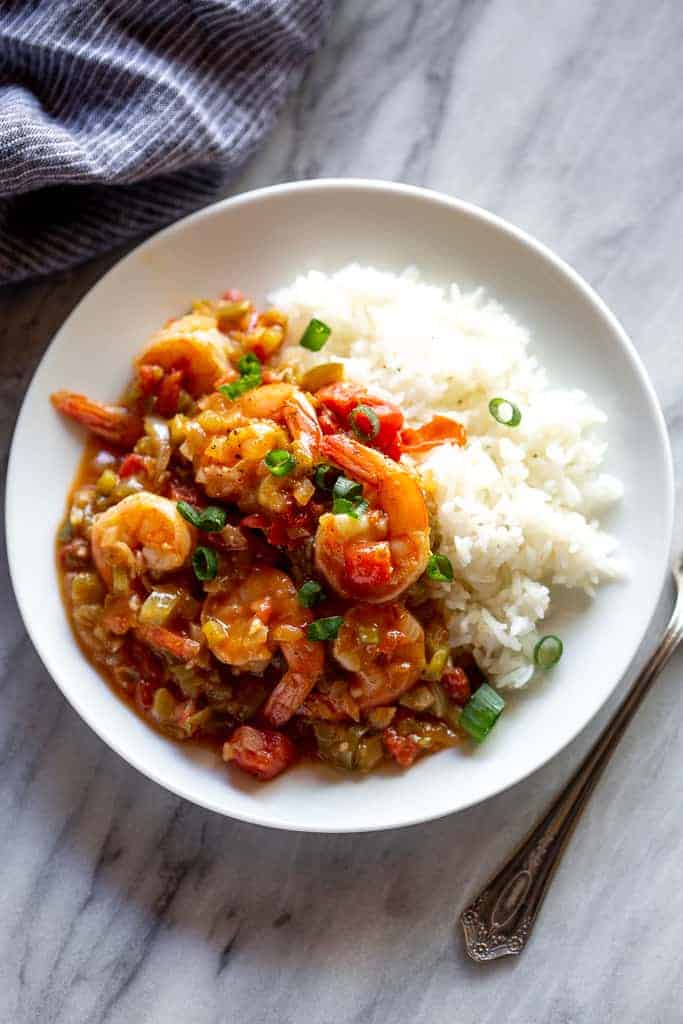
Easy 30-Minute Shrimp Creole: Weeknight New Orleans Flavor at Your Fingertips
Imagine infusing your weeknight dinner routine with the vibrant, complex flavors of New Orleans – all in under 30 minutes. Sounds like a culinary dream, right? With a truly exceptional
shrimp creole recipe, this dream becomes a delicious reality. This iconic Louisiana dish, renowned for its plump, tender shrimp bathed in a rich, spicy tomato-based sauce, isn't just a restaurant staple; it's a surprisingly quick and satisfying meal you can master at home. Forget long hours in the kitchen; we're about to unlock the secrets to a speedy, authentic Shrimp Creole that brings the spirit of the Big Easy directly to your dinner table.
Originating from the melting pot of cultures that defined colonial Louisiana, especially in the bustling city of New Orleans, Shrimp Creole is a testament to a cuisine built on layers of history and exquisite taste. It's a dish that has charmed palates for generations, with culinary legends like Emeril Lagasse sharing his version more than four decades ago, a testament to its enduring appeal. Even today, his recipe, born during his tenure at the legendary Commander's Palace, continues to hit all the right notes, demonstrating that true classics stand the test of time.
This article isn't just about sharing a
shrimp creole recipe; it's about understanding its soul, appreciating its history, and empowering you to recreate its magic effortlessly. Get ready to spice up your weeknights with a dish that promises both convenience and an unforgettable burst of authentic Louisiana flavor.
The Heart of New Orleans: What Makes Shrimp Creole Special?
At its core, Shrimp Creole embodies the rich tapestry of New Orleans cuisine. This isn't just a simple seafood dish; it's a historical narrative simmered into a sauce. The "Creole" identity itself speaks volumes: a fusion born from Indigenous groups, Spanish and French colonists, enslaved Africans, and diverse traders who converged in Louisiana, creating a unique culinary landscape. This vibrant mix introduced global ingredients and sophisticated techniques, culminating in dishes like Shrimp Creole that are both complex and comforting.
The foundation of any great Creole dish, and certainly this
shrimp creole recipe, rests on what's affectionately known as the "Holy Trinity" – a harmonious blend of diced onion, celery, and green bell pepper. These humble vegetables, when sautéed in butter with aromatic garlic until tender, create an unparalleled flavor base. This trinity isn't just an ingredient list; it's the aromatic soul of the dish, providing depth and a foundational sweetness that balances the subsequent spices.
Beyond the trinity, tomatoes play a crucial role, distinguishing Creole cooking with their bright acidity and body. In our
shrimp creole recipe, a robust tomato-based sauce forms the perfect canvas for the spices and the star of the show: the shrimp. Seasonings like cayenne, paprika, and dried herbs contribute to the characteristic warmth, while a dash of Tabasco sauce – another proud Louisiana invention, created on Avery Island in 1868 – adds that signature piquant kick, elevating the entire experience. It's this masterful combination of fresh aromatics, rich tomatoes, and judicious spice that gives Shrimp Creole its irresistible allure, making it a true southern tried-and-true favorite.
Creole vs. Cajun: Understanding the Culinary Roots of Your Shrimp Creole
While the terms "Creole" and "Cajun" are often used interchangeably to describe Louisiana cuisine, they represent distinct culinary traditions shaped by different histories and geographies. Understanding these nuances not only enriches your appreciation for dishes like Shrimp Creole but also helps you better navigate the diverse flavors of the region.
Creole cuisine, as mentioned, is an urban phenomenon, originating in colonial New Orleans. It’s a sophisticated, cosmopolitan cooking style that integrated influences from French, Spanish, African, Italian, German, and Caribbean cultures. This melting pot approach often incorporated "global" ingredients that were available through the port of New Orleans, and significantly, it frequently utilizes tomatoes in its sauces. Dishes like Gumbo, Jambalaya, and of course, Shrimp Creole, exemplify this style with their rich, often tomato-based sauces and nuanced spice profiles.
Cajun cuisine, on the other hand, boasts more rural, country roots. It was forged by the Acadians, French settlers who were expelled from Canada and eventually made their home in the bayous and prairies of southwestern Louisiana. Their cooking is characterized by resourceful use of local, native ingredients – such as crawfish, alligator, and game – often adapted from traditional French techniques. A commonly noted distinction is that traditional Cajun dishes tend to rely less on tomatoes and more on a roux-based gravy, a darker, richer foundation for stews and etouffées.
Our easy 30-minute
shrimp creole recipe squarely falls into the Creole camp. The prominent use of a vibrant, spicy tomato-based sauce is the clearest indicator of its New Orleans heritage. When you taste the bright tang of tomatoes harmonizing with the Holy Trinity and a kick of spice, you're experiencing an authentic expression of Creole culinary art. This distinction isn't just academic; it deepens your connection to the food you're preparing, allowing you to savor not just the taste, but also the story behind each bite. For a deeper dive into these fascinating culinary traditions, explore our article:
Creole vs. Cajun: Unpacking Authentic Shrimp Creole Secrets.
Crafting Your Easy 30-Minute Shrimp Creole: The Recipe Breakdown
The beauty of this
shrimp creole recipe lies in its ability to deliver complex, deep flavors with surprising speed. The 30-minute timeframe is entirely achievable by focusing on efficient prep and smart cooking steps. Let's break down how to build this weeknight wonder.
Building the Flavor Foundation: The Holy Trinity & Aromatics
The journey to an incredible Shrimp Creole begins with the Holy Trinity. In a large skillet or Dutch oven, you'll start by melting a generous knob of butter. Once shimmering, add finely diced green bell pepper, celery, and onion. Sauté these aromatics over medium heat, stirring occasionally, until they become soft and translucent. This step is crucial for developing the foundational sweetness and depth of flavor. Don't rush it; allowing these vegetables to become tender is key. Once they've softened, stir in minced garlic and cook for just another minute until fragrant, being careful not to burn it. This aromatic base sets the stage for everything else.
The Spicy Tomato-Based Sauce
With your Holy Trinity established, it's time to introduce the stars of the sauce: tomatoes and seasoning. Incorporate canned diced tomatoes (or crushed tomatoes for a smoother sauce) into the pan. This is where the Creole roots truly shine through. Next, add your homemade or store-bought Creole seasoning. If making your own, a blend of paprika, cayenne pepper, garlic powder, onion powder, dried oregano, and thyme is typical. A smart tip from culinary masters like Emeril Lagasse is to make a larger batch of Creole seasoning than you need for the dish; store the remainder in an airtight container, and it'll be ready for any seafood, poultry, or vegetable dish you want to liven up. Stir everything together, bring it to a gentle simmer, and let it cook for about 10-15 minutes, allowing the flavors to meld and deepen. This simmering time is what transforms simple ingredients into a rich, cohesive sauce. Finally, stir in a few dashes of Tabasco sauce, adjusting to your preferred level of heat.
Bringing it All Together: The Shrimp
The final, and quickest, step is adding the shrimp. Once your sauce has simmered and achieved a robust flavor, gently fold in your peeled and deveined raw shrimp. The goal here is quick cooking to ensure the shrimp remain plump and tender, not rubbery. Shrimp cook very rapidly, typically in just 3-5 minutes, turning opaque and pink as they curl slightly. As soon as they are cooked through, remove the pan from the heat. Overcooked shrimp are a common pitfall, so keep a close eye on them!
This process, inspired by culinary giants and adapted for efficiency, ensures you get maximum flavor in minimal time. For those interested in the heritage of such iconic dishes, you might enjoy reading more about
Emeril Lagasse's Classic Shrimp Creole: A Louisiana Legacy.
Tips for a Perfect Weeknight Shrimp Creole
Achieving a truly outstanding Shrimp Creole, especially on a tight schedule, comes down to a few key insights and clever techniques.
*
Customizing Your Spice Level
The beauty of a homemade
shrimp creole recipe is the ability to tailor it to your palate. If you love heat, don't be shy with the Tabasco sauce or a pinch of extra cayenne pepper. For a milder version, reduce the amount of spicy elements or use a sweet paprika instead of hot. Taste as you go and adjust until it's just right for you and your family.
*
Ingredient Quality Matters
While speed is a priority, don't compromise on the quality of your main ingredient. Fresh, high-quality shrimp will make a noticeable difference in flavor and texture. If using frozen shrimp, ensure they are properly thawed before adding them to the sauce. Thaw them overnight in the refrigerator or quickly under cold running water for best results.
*
Make-Ahead Magic for Busy Nights
To truly hit that 30-minute mark, consider doing some prep work in advance. The Creole sauce (Holy Trinity, tomatoes, and seasoning) can be made a day or two ahead of time and stored in the refrigerator. On a busy weeknight, simply reheat the sauce, add your shrimp, and simmer until cooked through. This strategy makes the final assembly incredibly fast.
*
Serving Suggestions to Complete the Meal
Shrimp Creole is traditionally served over fluffy white rice, which soaks up the glorious sauce perfectly. However, don't limit yourself! It's equally delicious with creamy grits, crusty French bread for dipping, or even cornbread. Garnish with fresh chopped parsley or green onions for a pop of color and freshness.
*
Don't Overcrowd the Pan
When sautéing the Holy Trinity, ensure your pan is large enough. Overcrowding can steam the vegetables instead of browning them, leading to less flavor development. If necessary, cook the vegetables in two batches.
Bring the Big Easy Home Tonight
There you have it – the comprehensive guide to creating an easy, authentic, and utterly delicious 30-minute
shrimp creole recipe. This dish is more than just a meal; it's an invitation to experience the rich cultural tapestry and vibrant flavors of New Orleans, right in your own kitchen. From its historical roots in colonial Louisiana to the iconic "Holy Trinity" and the essential spicy tomato sauce, every element tells a story.
Whether you're a seasoned cook or just starting your culinary journey, this recipe offers a rewarding experience without demanding hours of your time. It proves that weeknight dinners don't have to be bland or rushed; they can be extraordinary. So, gather your ingredients, follow these tips, and prepare to delight your taste buds with a taste of the Big Easy. Get ready to add this amazing
shrimp creole recipe to your regular rotation – your family (and your schedule) will thank you!